
Great News: House of Commons votes to Scrap Section 13


- Details
- Created on Thursday, 07 June 2012 19:56
- Hits: 1623
Thank you to our readers for your efforts to support this bill over the past year. It still has to go through the Senate and get Royal Assent.
National Post, June 7 2012: OTTAWA — The federal Conservatives voted late Wednesday to repeal controversial sections of the Canadian Human Rights Act banning hate speech on the Internet, backing a bill they say promotes freedom of expression and would have the courts play a larger role in handling hate-crime cases.
In a free vote of 153 to 136, the Tory caucus supported a private member’s bill from Alberta Conservative MP Brian Storseth that would scrap Section 13 of the human rights code, which deals with complaints regarding “the communication of hate messages by telephone or on the Internet.” Keep reading
The highest law of the land?
- Details
- Created on Monday, 04 June 2012 15:00
- Hits: 1677
 By Anthony Furey, Ottawa Sun, June 2 2012: In November Barbara Hall’s term will be up as head of the Ontario Human Rights Commission. But it looks like she’s not going gentle into the good night. In case you needed any more evidence that the OHRC has worn out its welcome, here’s one for you.
While I was appearing on Sun News last week, Brian Lilley tossed a quote up on the screen from Hall. What she was commenting on doesn’t matter, but how she introduced her statement certainly does: “Ontario’s Human Rights Code is, in a sense, Ontario’s highest law.” Really? Let’s do a little syllogism here: OHRC-related legislation is the highest in the land; Barbara Hall is the head of the OHRC; therefore Barbara Hall is the highest authority in Ontario. Keep reading
The Fundamental Human Right to Wear Hiking Boots Anywhere
- Details
- Created on Monday, 28 May 2012 13:14
- Hits: 1494
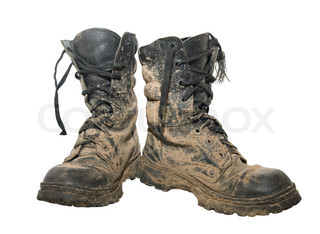 It seems that the Human Rights Tribunal in B.C. feels that a ban on wearing hiking boots in a gym is an insult to personal dignity worth $1,900 in damages against any gym that would dare to enforce such a rule. Never mind the following three facts in this story:
1. the hiking boots were only necessary for one particular exercise (lunges) which could be accomplished without any gym equipment whatsoever and could be performed anywhere else in the city (including in the parking lot, at home, on the sidewalk - wherever!);
2. very clear guidelines were already established before this patron became a patron which stated that those who use the gym must abide by the dress code of the gym, and if you don't like it, they should take their business elsewhere;
3. connected with fact 1 and 2 above, there were already other gyms in the city, according to this rather sensitive claimant's own testimony, that did allow him to wear hiking boots there!
So, what precedent is set here? That even though this man could have done any other exercise in the gym without hiking boots, that he could have taken his business elsewhere, or that he could have completed his lunges outside on the parking lot, that despite all of this, the government-funded Tribunal deems this infringement of rights such an injustice that they schedule to hear the case, take the time to write a ruling, employ numerous staff on the public dime and finish it off with a fine to the gym $1,900 for injury to dignity. The word "desperate" comes to mind - searching hard to stay relevant. This is what B.C. taxpayers are funding these days; a great use of tax dollars, these dignity protectors!
Marni Soupcoff comments here.
Veganism is a Creed apparently
- Details
- Created on Wednesday, 16 May 2012 17:43
- Hits: 1567
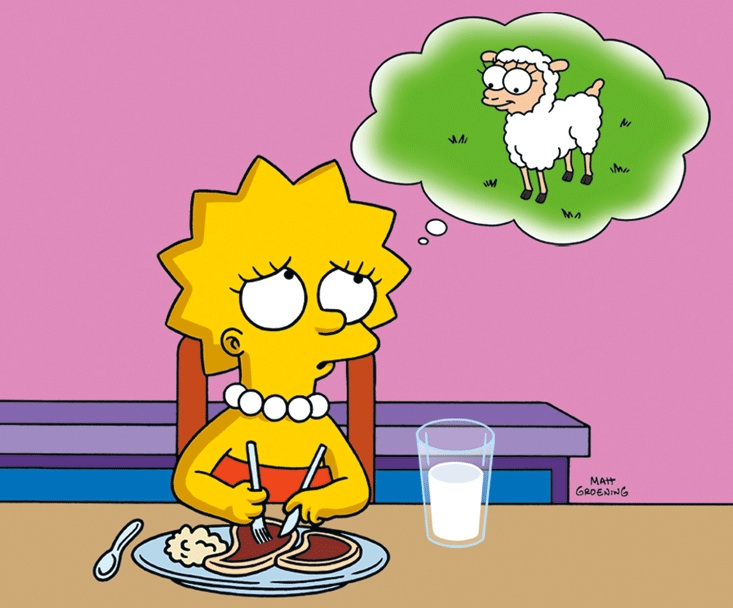 André Schutten - May 16, 2012 - Apparently veganism is a creed, a deeply held conviction that ought to be protected by law and with the power of the state. This is not the first time I've heard this, (click here for earlier reports) and I suppose it won't be the last. Ms. Camille Labchuck argues that the Ontario Human Rights Commission ought to protect vegans from anyone who would fail to adequately provide for their dietary needs.
The problem with this expanding of definitions for what constitutes a "creed", this broad protection for any sort of ideology, this watering down of creed or religion (the Marijuana Church presents a similar problem) is that those of genuine religious faith and creed get watered down too.
Bill C-304 Passes Vote
- Details
- Created on Monday, 14 May 2012 05:48
- Hits: 1719
Bill C-304, An Act to Amend the Canadian Human Rights Act (protecting freedom), passed a vote at report stage in Parliament on May 9th, 149-129. This bill, sponsored by Alberta MP Brian Storseth, aims to repeal the most contentious clause of the CHRA, Section 13. Similar to the vote at second reading, the yeas and nays were disappointingly split along party lines, with Liberal MP Scott Simms the only opposition MP to vote with the governing Conservatives to protect our freedom of expression. Our Prime Minister again rose in support of this bill.
Head of Canadian Human Rights Tribunal on Stress Leave
- Details
- Created on Tuesday, 24 April 2012 23:06
- Hits: 1922
The working atmosphere of the CHRT begs the question - if it needs to be investigated for harassment among other things, how can it be in charge of determining "human rights" offenses for the nation?
 Selection from the Vancouver Sun, April 23 2012: The Ottawa Citizen has also learned that the Office of the Public Sector Integrity Commission has launched an investigation into the tribunal workplace — a relatively rare move by the body charged with investigating and ruling on wrongdoings in the public sector and protecting “whistle blower” public servants from reprisals. It’s the integrity commission’s policy to neither confirm nor deny an investigation is taking place, a spokeswoman said, but if investigators find a complaint to be valid, their reports are made public.
In upholding the two harassment complaints against Chotalia in January, independent investigator Philip Chodos described her dealings with a low-level probationary clerical worker as “baffling, if not bizarre.” Read the full article here.
Alberta HRC Coming Under Fire
- Details
- Created on Tuesday, 17 April 2012 20:51
- Hits: 1514
 With the prospect of a new party coming to power in Alberta, Canadians are taking a closer look at the policies of the largely-unknown Wildrose party. What they are discovering includes a platform that would see the Alberta Human Rights Commission being replaced by a new division within the provincial court system. "“If anyone is ever denied service for any reason then our new proposal for how we would deal with that is with a separate division of the provincial court,”said party leader Danielle Smith.
Did tribunal exceed its authority? Supreme Court of Canada will decide Thursday if human rights decision should be upheld
- Details
- Created on Wednesday, 21 March 2012 19:59
- Hits: 1563
Vancouver Sun, March 21 2012: On Thursday, the Supreme Court of Canada will hear the appeal of Moore v. British Columbia Ministry of Education. Among other things, this case will decide whether the B.C. Human Rights Tribunal has the authority to dictate what services the B.C. government provides.
Jeffrey Moore started grade school in 1991 and was soon diagnosed as dyslexic. When he was in Grade 3, his parents were advised that he would have a better educational outcome if he enrolled in a publicly funded program tailored for dyslexic children called "intensive remediation." But in 1994, the cash-strapped North Vancouver school district defunded the program in an effort to save money - just weeks after Jeffrey had been referred for help. As a result, the Moore family paid approximately $100,000 over nine years for Jeffrey's private education. Keep reading
A right to special treatment
- Details
- Created on Tuesday, 13 March 2012 14:13
- Hits: 1825
Pamela Howson clearly knows how the human rights system works.
First, claim membership of a “protected” group. In Ontario, their Human Rights Code includes protection on the basis of “family status”, which has been interpreted by the provincial tribunal as granting privileged status to mothers with children. Ms. Howson has three children, so she qualifies.
Second, find a grievance and, by extension, a target. Any grievance will do, but it helps to target the type of individuals or organizations that the province’s Commission is currently scrutinizing for its next wave of human rights education. In this case, the OHRC is waging a campaign against zoning laws in municipalities across the province. Ms. Howson wants to park her car on her front lawn, in contravention to current zoning laws, so it appears to be a match made in human rights heaven.
Good News: Bill C-304 Passes First Vote in Parliament
- Details
- Created on Thursday, 16 February 2012 15:48
- Hits: 1858
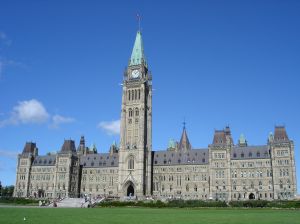
Update: See how your MP voted on C-304 here.
Last night the House of Commons voted 158 to 131 to pass Bill C-304 "An Act to amend the Canadian Human Rights Act (protecting freedom)." It will now go to the Standing Committee on Justice and Human Rights where it will be studied in detail. This vote is critical because it shows that a majority of MPs (though not by a large margin) recognize the serious problems with the Canadian Human Rights Act and are willing to stand up against it.