
How to be Environmentally Friendly
Individually
- Buy cloth/reusable bags or use paper for your groceries. Paper, while it is not the best solution, is more sustainable and less polluting than plastic. Paper bags break down quicker than plastic and can naturally biodegrade.
- Recycle your plastics. Not all plastics can be recycled so try to buy recyclable plastics and avoid nonrecyclable items. A link is posted to help you sort out your recyclables.
- Don’t use single-use plastic cups. When you go out and buy coffees bring a travel mug with you or ask and buy a reusable cup at the store. Starbucks gives out a discount when you bring in your own mug.
- Compost. Composting is a natural way to make fertilizer for the soil and or gardens. It is healthier for the local environment than many pesticides and insecticides. It keeps waste from going to landfills and it breaks down anaerobically meaning there is no buildup of methane gas.
- Pick up litter. There is a new fitness trend to pick up litter while jogging it is called “plogging”. Trash anywhere can end up in our waterways and effect the natural habitat. Picking up one piece of trash a day can make a difference.


Links to Help You
How the Heck do I Start Recycling Correctly?
https://www.buzzfeed.com/farrahpenn/how-the-heck-do-i-start-recycling-correctly?fbclid=IwAR3TRBwLd9YZPdEdEhmP3V7PofSICXIbXbx6cwhdJj4jscTVtPrJV0gb3fI
The Ultimate 20 Step Guide to Eco-Friendly Living
https://www.goodenergy.co.uk/blog/2017/08/22/ultimate-guide-eco-friendly-living/
How the Heck do I Start Recycling Correctly?
https://www.buzzfeed.com/farrahpenn/how-the-heck-do-i-start-recycling-correctly?fbclid=IwAR3TRBwLd9YZPdEdEhmP3V7PofSICXIbXbx6cwhdJj4jscTVtPrJV0gb3fI
The Ultimate 20 Step Guide to Eco-Friendly Living
https://www.goodenergy.co.uk/blog/2017/08/22/ultimate-guide-eco-friendly-living/
How to be Environmentally Friendly
In Business
- Switch to post-consumer waste (PCW) paper, paper products, and packaging. PCW paper is made from recycled paper products and it uses 45% less energy to make than regular paper.
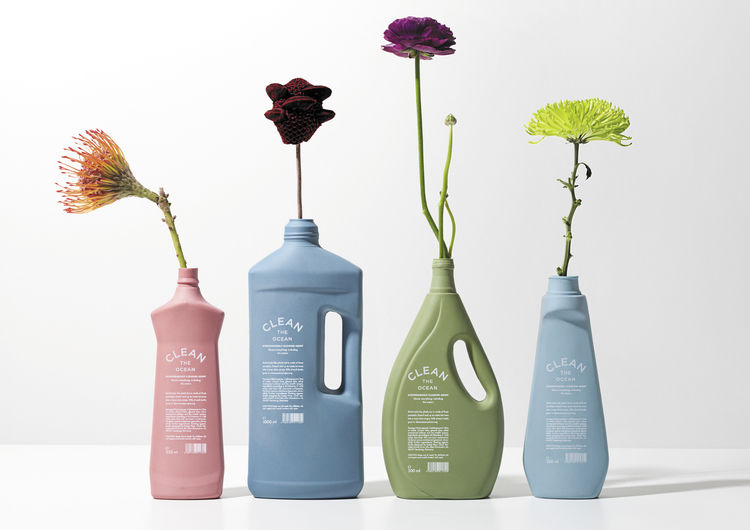
- Use biodegradable cleaners. Using these natural products exposes you to less toxins and chemicals and makes sure less toxins and chemicals are released into the natural environment.
- Use Compact Florescent (CFL) or LED lights. CFL and LED lights last longer and uses less energy than the standard lightbulb. These lights will save your company money over time on the energy bill.
- Provide a water cooler or filtration system. This gives employees less incentive to bring in bottled water that comes in a plastic container.
- Energy Audit. This program offers different energy services that try to maximize efficiency in the office.


Links to Help Businesses
10 Ways to Green Your Business and Save Money
https://www.forbes.com/sites/kateharrison/2013/02/07/10-ways-to-green-your-business-and-save-money/#6602da023753
5 Rs for Greening the Office
https://www.business.com/articles/greening-the-office/
10 Ways to Green Your Business and Save Money
https://www.forbes.com/sites/kateharrison/2013/02/07/10-ways-to-green-your-business-and-save-money/#6602da023753
5 Rs for Greening the Office
https://www.business.com/articles/greening-the-office/